2026 Top Stamping Die Innovations for Enhanced Manufacturing Efficiency?
In the rapidly evolving landscape of manufacturing, the need for efficiency is paramount. Innovations in stamping die technology are crucial for improving production processes. As industries strive to reduce costs and boost output, advancements in this area become essential.
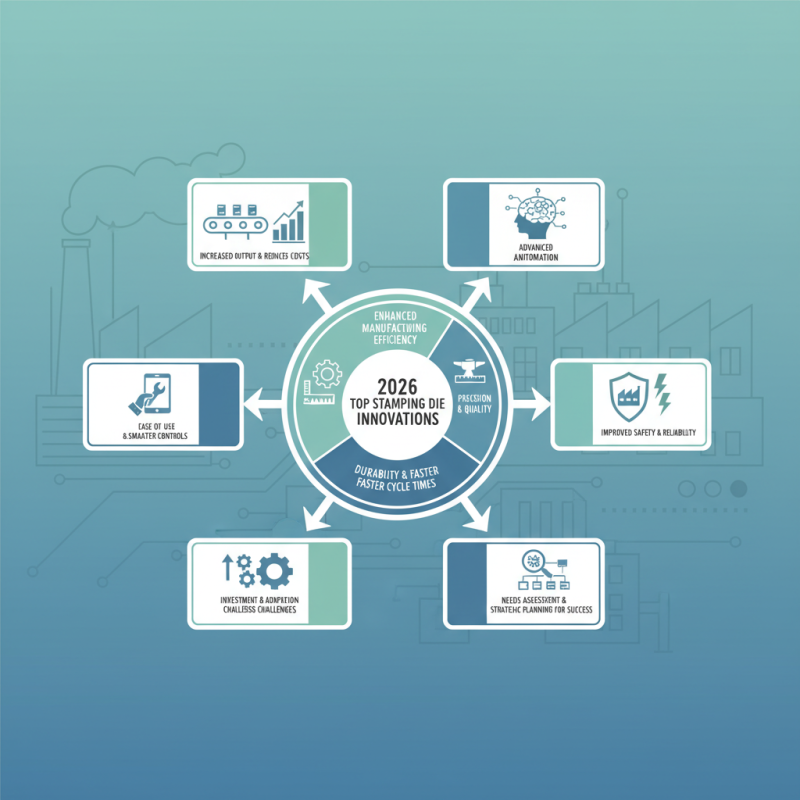
The 2026 stamping die innovations promise to deliver significant enhancements. These developments focus on precision, durability, and ease of use. Manufacturers can expect faster cycle times and improved quality. Yet, challenges remain. Not every innovation will seamlessly integrate into existing systems.
Investing in the latest stamping die technology can be a double-edged sword. While some features enhance productivity, others may require a steep learning curve. It is vital for companies to assess their specific needs. Understanding the real impact of these innovations is key to long-term success in manufacturing efficiency.
Overview of Stamping Die Innovations in 2026
The year 2026 promises to usher in a wave of innovative stamping die technologies. These advancements aim to boost manufacturing efficiency significantly. New materials are being tested for lighter and more durable options. This shift could reduce wear and tear, especially during high-volume production runs. Furthermore, automation is becoming a key player. Smart dies equipped with sensors can monitor conditions in real-time, allowing for immediate adjustments. This means fewer errors and high-quality outputs.
Moreover, the integration of AI in die design is gaining traction. Engineers can simulate various stress loads and optimize shapes virtually. However, challenges remain. Not all manufacturers can afford these high-tech solutions. Smaller companies might struggle to adapt. There's a need for balance, providing accessible options alongside cutting-edge innovations. As the industry embraces these changes, reflections on sustainability will be essential. The environmental impact of producing these tools requires careful attention. Effective strategies must address waste and energy consumption in the long term.
Key Technologies Driving Manufacturing Efficiency in Stamping Dies
In the rapidly evolving field of manufacturing, stamping die innovations are critical. Technologies such as advanced CAD systems enhance design efficiency. According to a recent report, using CAD can cut design time by 30%. Additionally, the integration of AI in die design can predict potential failures, saving costly downtimes.
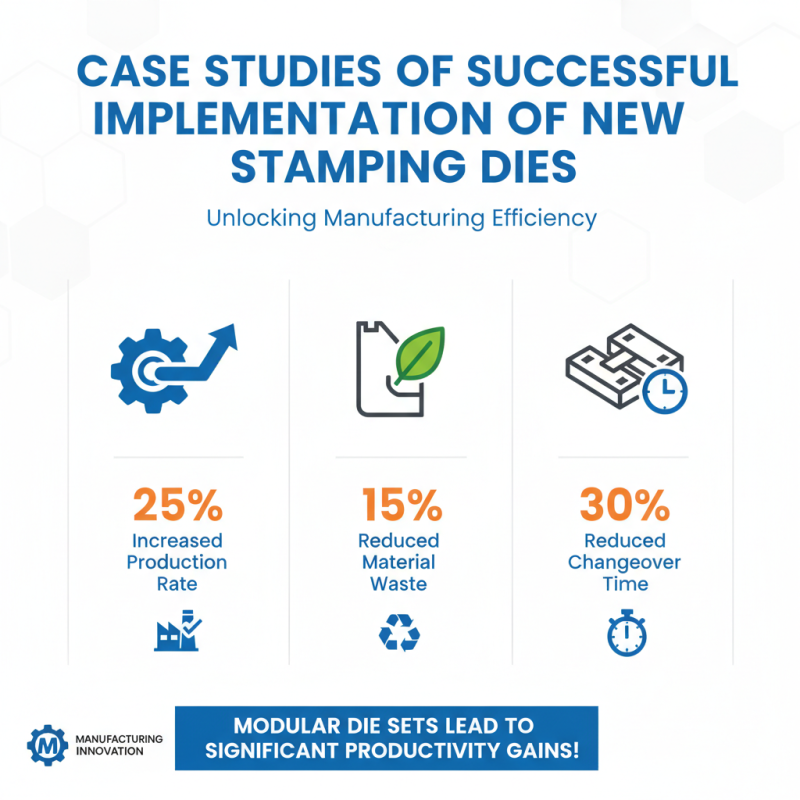
Automation also plays a significant role in increasing productivity. Robotic arms can handle repetitive tasks, reducing human error. Studies indicate that automating stamping processes can escalate output by up to 25%. However, transitioning to automated systems can be challenging. Proper training is vital to ensure staff can work alongside new technologies.
Tip: Regularly review your tooling and processes to identify areas for improvement. Continuous assessment helps adapt to new innovations.
Embracing simulation technology is another way to boost efficiency. Simulations help predict how materials behave during stamping. This foresight reduces waste and improves yield rates. Still, companies must consider the costs of implementing these technologies against potential gains. Balancing investment and return on efficiency remains a complex decision.
2026 Top Stamping Die Innovations for Enhanced Manufacturing Efficiency
| Innovation Technology |
Benefit |
Impact on Efficiency |
Implementation Year |
| Advanced Simulation Software |
Reduces design errors |
Improves throughput by 20% |
2023 |
| 3D Printing of Dies |
Faster prototyping |
Cuts lead time by 30% |
2024 |
| Smart Sensors in Dies |
Real-time monitoring |
Prevents downtime by 15% |
2025 |
| Modular Die Design |
Easy customization |
Enhances flexibility, reducing costs by 10% |
2023 |
| AI-Driven Process Optimization |
Enhanced efficiency |
Increases production rates by 25% |
2026 |
Impact of Automation on Stamping Die Production Processes
Automation is shaping the future of stamping die production. It revolutionizes traditional methods. By integrating advanced robotics, manufacturers can streamline processes. For instance, automatic loading and unloading systems minimize human error. This boosts overall productivity.
However, with increased automation comes the challenge of dependency. Machines require maintenance and periodic updates. Errors in programming can lead to downtime. Moreover, the initial investment can be daunting for smaller manufacturers. It's crucial to weigh the benefits against the costs.
Data analysis tools enhance decision-making. They provide insights into production efficiency. Yet, interpreting this data can be complex. Companies must train staff to utilize these tools effectively. A balanced approach is necessary to navigate this evolving landscape.
Materials Advancements in Stamping Die Design and Durability
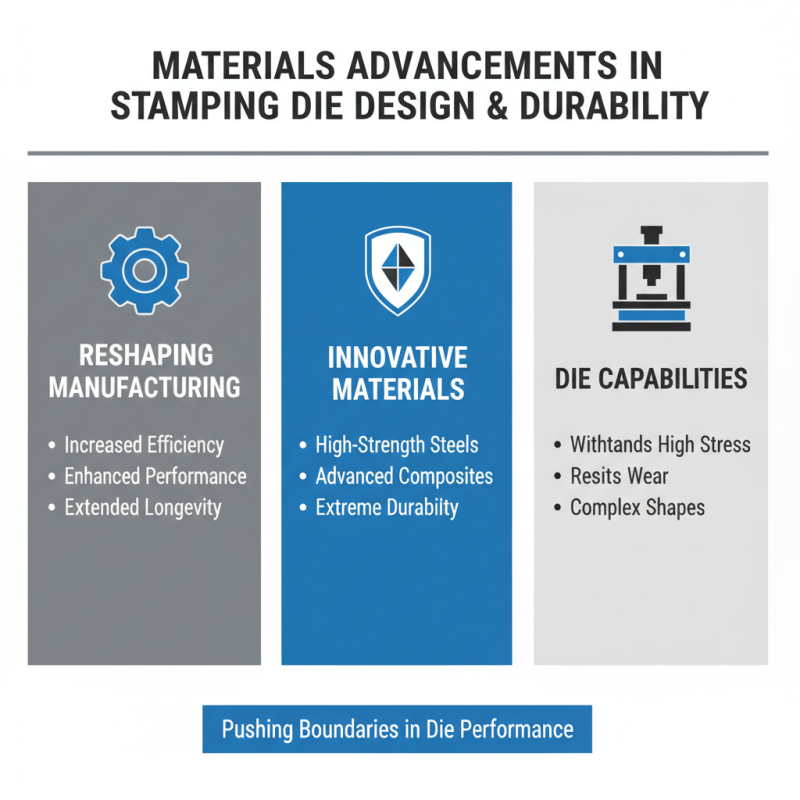
Recent advancements in materials for stamping die design are reshaping manufacturing efficiency. These innovations are pushing the boundaries of what’s possible in die performance and longevity. High-strength steels and advanced composites are now common choices. These materials can withstand high stress and wear. They allow for the creation of more complex shapes without compromising durability.
However, developing these new materials poses challenges. For instance, they may require different machining techniques. This can increase costs and extend lead times. Additionally, not all operators are familiar with these new materials. This gap in knowledge needs addressing. Moreover, maintaining consistency in quality is an ongoing struggle. The trade-offs between cost and performance often lead to tough decisions.
Innovative coatings also play a critical role in enhancing durability. They protect dies from corrosion and wear. This prolongs their lifespan significantly. Yet, some coatings may not adhere well to all materials. This inconsistency can lead to performance issues. Manufacturers must balance the benefits of advanced materials with practical considerations. The future of stamping die design is both exciting and challenging, inviting ongoing reflection and improvement.