Best Stamping Die Techniques for Precision Manufacturing?
In the world of precision manufacturing, mastering stamping die techniques is crucial. These techniques shape the effectiveness and quality of parts produced. Stamping die processes can determine the efficiency of manufacturing lines. However, achieving precision isn't always straightforward.
Many manufacturers face challenges. The intricacies of die design require a balance between innovation and reliability. A poorly designed stamping die can lead to defects. This not only affects production rates but can also increase costs. It's essential to invest time in refining these techniques.
Understanding materials and their behavior during stamping is vital. Different metals react differently under pressure. Awareness of these factors helps in designing better dies. As the industry evolves, so too must the methods of stamping die production. Continuous learning and adaptation are essential for success.
Understanding the Basics of Stamping Die Techniques
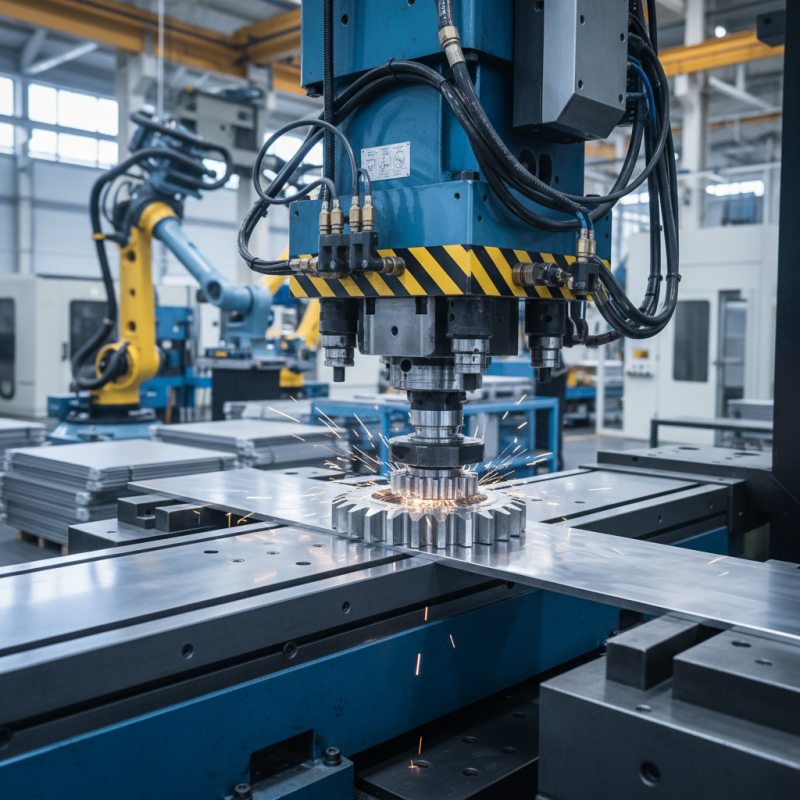
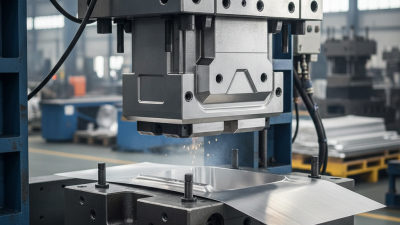
Stamping die techniques are essential in precision manufacturing. They transform raw materials into intricate shapes and designs. Understanding these techniques begins with grasping the basic types of dies. There are progressive, compound, and transfer dies, each serving specific functions. Progressive dies allow for multiple stamping operations in a single stroke. Compound dies perform two or more operations simultaneously. Transfer dies move the workpiece from one station to another, increasing efficiency.
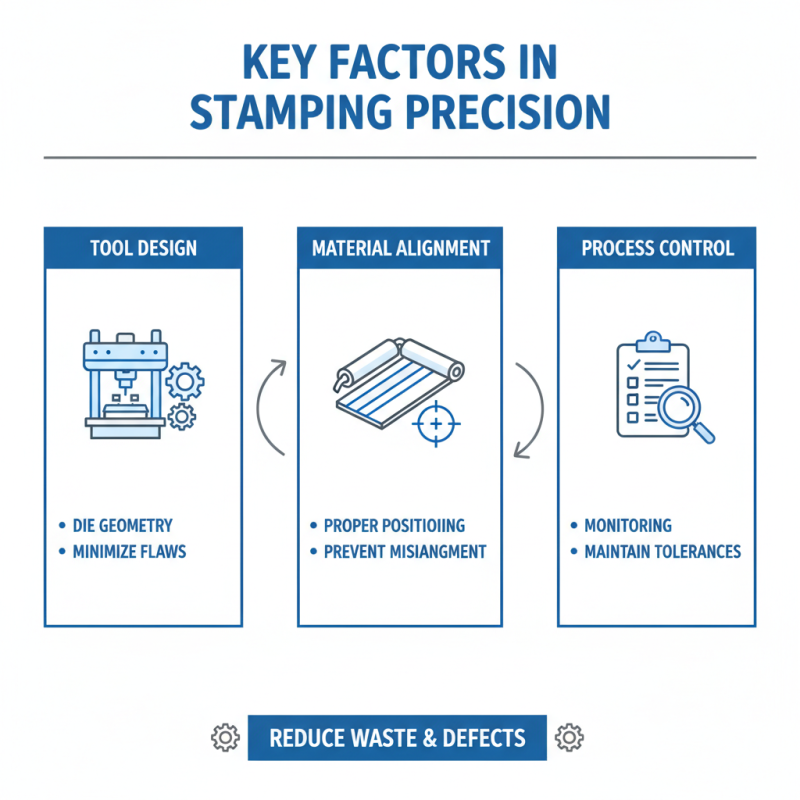
The choice of technique affects production speed and accuracy. However, improper setup can lead to defects. A small misalignment may result in rejected parts. Operators must frequently check machine calibration to ensure precision. Additionally, selecting the right material is equally important. Some materials may require more force and thus lead to higher wear on the dies. Regular maintenance of the stamping dies is critical but often overlooked. Over time, even minor wear impacts the quality of products. Refining these strategies can significantly enhance precision and reduce waste.
Overview of Stamping Die Techniques in Precision Manufacturing
Step-by-Step Guide to Designing Effective Stamping Dies
Designing effective stamping dies requires careful planning and precision. Begin by defining the part’s specifications. Create accurate dimensions and tolerances. This clarity helps to prevent costly mistakes later on.
Tips: Use CAD software to visualize your design. It allows for better adjustments and enhances accuracy. Always double-check your measurements. Small errors can lead to significant issues during production.
Next, select the right materials. The die material impacts its durability and performance. Test different materials to determine the best fit for your project. It’s crucial to think about the part's complexity. Complex designs may need special techniques or tools.
Tips: Don’t hesitate to revise your designs. Iteration can lead to improvement. Feedback from colleagues can unveil overlooked aspects. Consider the production volume, as this may influence material choice and design intricacies.
Advanced Techniques for Enhancing Precision in Manufacturing
Precision in manufacturing is vital for any successful stamping die operation. Advanced techniques can greatly enhance this precision. For instance, using computer-aided design software allows for detailed modeling of dies before production. This technique reduces potential errors and ensures the final product aligns with the intended design. However, even with technology, human oversight is necessary to catch any discrepancies.
Another technique involves the use of specialized materials for the dies. High-quality steel and alloys can withstand greater pressure, resulting in cleaner cuts and fewer imperfections. Even so, these materials can be costly, and choosing the wrong type may lead to early wear or failure. Regular maintenance of stamping machines is another aspect that manufacturers often overlook. Failing to check alignment can compromise precision and lead to subpar products. Thus, consistency and attention to detail are key elements in improving stamping die accuracy.
Common Challenges and Solutions in Stamping Die Production
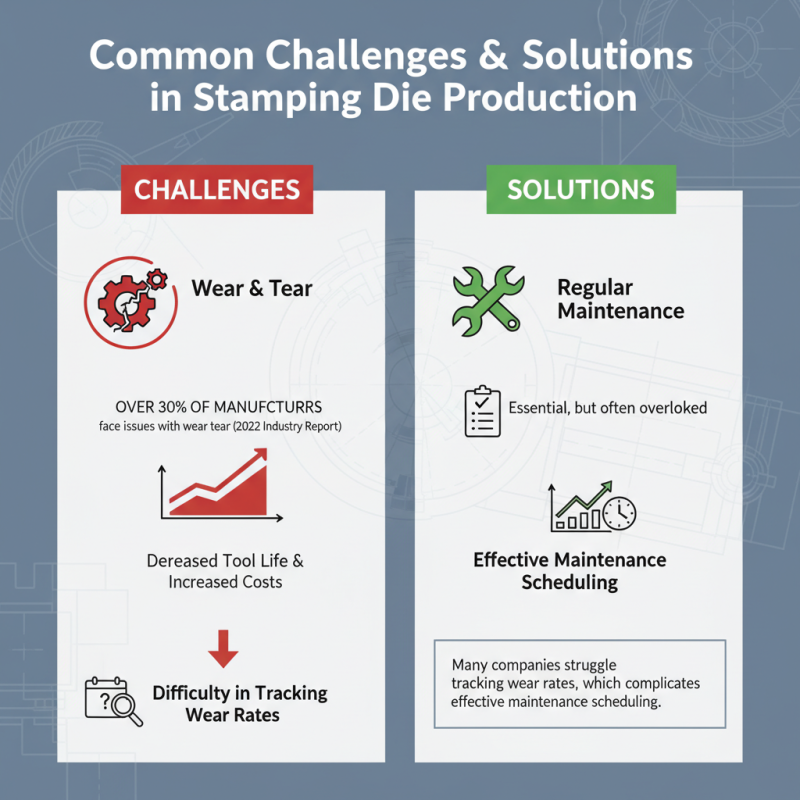
In stamping die production, challenges are prevalent. According to a 2022 industry report, over 30% of manufacturers face issues with wear and tear. This can lead to decreased tool life and increased costs. Regular maintenance is essential, but it’s often overlooked. Many companies struggle with tracking wear rates, which complicates effective scheduling of maintenance.
Another significant challenge is achieving precision in intricate designs. Data indicates that up to 25% of dies fail to meet specifications on the first attempt. This often stems from inadequate design validation. Utilizing simulation software can mitigate this risk. However, many firms hesitate to invest in new technologies. They underestimate the long-term savings from reduced scrap rates and rework.
Finally, addressing material selection is critical. The right materials can enhance tool durability. Yet, many manufacturers rely on outdated choices. A 2023 survey showed that only 40% of companies evaluate their material options regularly. This leads to increased operational risks and longer production times. Adapting modern approaches may seem daunting, but it is vital for reaching higher standards in manufacturing.