What is CNC Milling and How Can It Benefit Your Business?
CNC milling is transforming the manufacturing landscape. According to a 2022 industry report, CNC milling technology has grown by 7% annually. This growth showcases its importance in modern production processes. Companies that utilize CNC milling often experience significant efficiency gains. As Mark Thompson, a leading expert in CNC technologies, states, "Embracing CNC milling can streamline operations and elevate product quality."
The benefits of CNC milling extend beyond mere efficiency. It enhances precision, allowing businesses to produce complex parts with minimal errors. The consistency achieved through CNC milling often results in a notable reduction in waste. Yet, not every company has tapped into this potential. Some remain hesitant, fearing the initial investment costs or the learning curve associated with new technologies. However, the long-term benefits typically outweigh these concerns.
CNC milling not only improves operational efficiency but also bolsters competitiveness. Companies that adopt this technology can respond to market demands with agility. Still, many businesses struggle to integrate CNC milling effectively. Finding the right balance between traditional methods and modern practices can be challenging. Ultimately, the journey to adopting CNC milling requires an honest reflection on existing processes and openness to change.
What is CNC Milling? A Comprehensive Overview of the Process
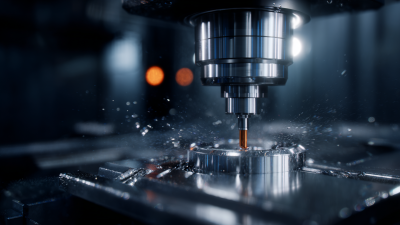
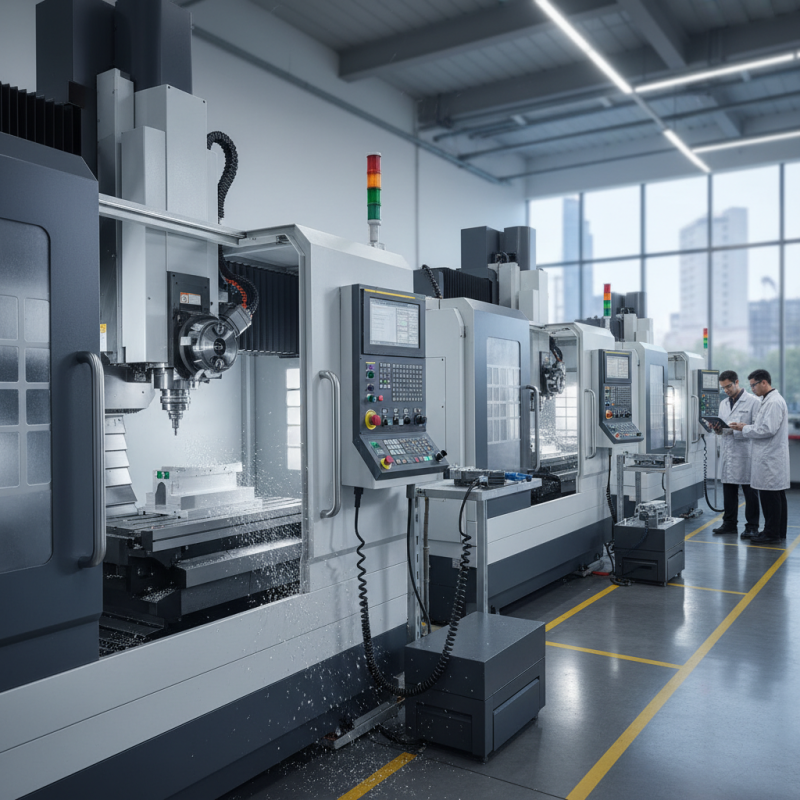
CNC milling is a modern manufacturing process that utilizes computerized controls to automate the movement of cutting tools. This technique allows for precise shaping of materials like metal and plastic. The end product is often intricate parts with tight tolerances. CNC machines perform tasks such as drilling, grinding, and engraving, resulting in high-quality components.
One of the significant benefits of CNC milling is its efficiency. It can produce a large number of identical parts quickly. This reduces production time and lowers labor costs. However, companies may face challenges such as understanding programming requirements. Training staff to handle CNC systems can be demanding. Investing in high-quality machinery is crucial. Low-quality equipment can lead to wasted materials and time.
In the long run, CNC milling streamlines operations. By adopting this technology, businesses can enhance their competitiveness. The precision offered by CNC milling opens doors to innovative designs. It encourages businesses to push the limits of what is possible. Nonetheless, relying solely on automation may limit creativity. Balancing technology and human insight is essential for the best outcomes.
What is CNC Milling and How Can It Benefit Your Business?
| Dimension |
Description |
Benefits |
| Accuracy |
CNC milling machines can achieve high levels of accuracy in the manufacturing process. |
Reduces the likelihood of errors and increases product quality. |
| Material Versatility |
Can work with a variety of materials including metals, plastics, and wood. |
Allows businesses to produce a diverse range of products. |
| Production Speed |
CNC milling can produce parts quickly and efficiently. |
Increases output, reducing lead times for orders. |
| Repeatability |
Once programmed, CNC machines can produce identical parts repeatedly. |
Ensures consistency across products, enhancing brand reliability. |
| Cost Efficiency |
Reduces labor costs by automating the manufacturing process. |
Lowers production costs and improves profit margins. |
Key Components of CNC Milling Machines: Understanding the Technology
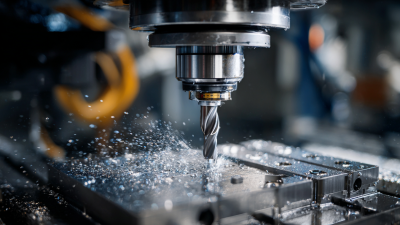
CNC milling machines are intricate tools that play a significant role in modern manufacturing. Understanding their key components will enhance your grasp of this technology. At the heart of these machines is the spindle. It rotates the cutting tools, enabling precise machining. The power and speed of the spindle directly affect the overall efficiency. Furthermore, the control unit acts as the brain. It interprets the design files and directs the machinery. A reliable control system minimizes errors during production.
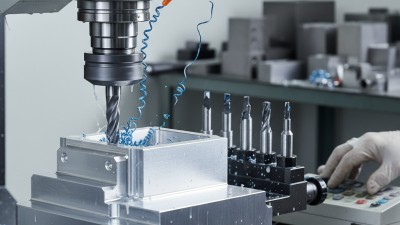
Another essential component is the bed. This is where the workpiece is mounted. Its stability determines the quality of the finished product. If the bed is not level, the output may have inconsistencies. The tools used in CNC milling also vary significantly. From end mills to drills, the choice impacts the material removal rate and surface finish. A mismatch here can lead to subpar results, prompting reflections on tool selection.
Lastly, the coolant system helps maintain optimal temperature while machining. Heating can affect the integrity of both tools and workpieces. Neglecting this aspect may lead to costly damages. Each component is interrelated, demonstrating the complexity of CNC milling. Understanding these elements can guide informed decisions for your business’s manufacturing needs.
Benefits of CNC Milling for Manufacturing Efficiency and Precision
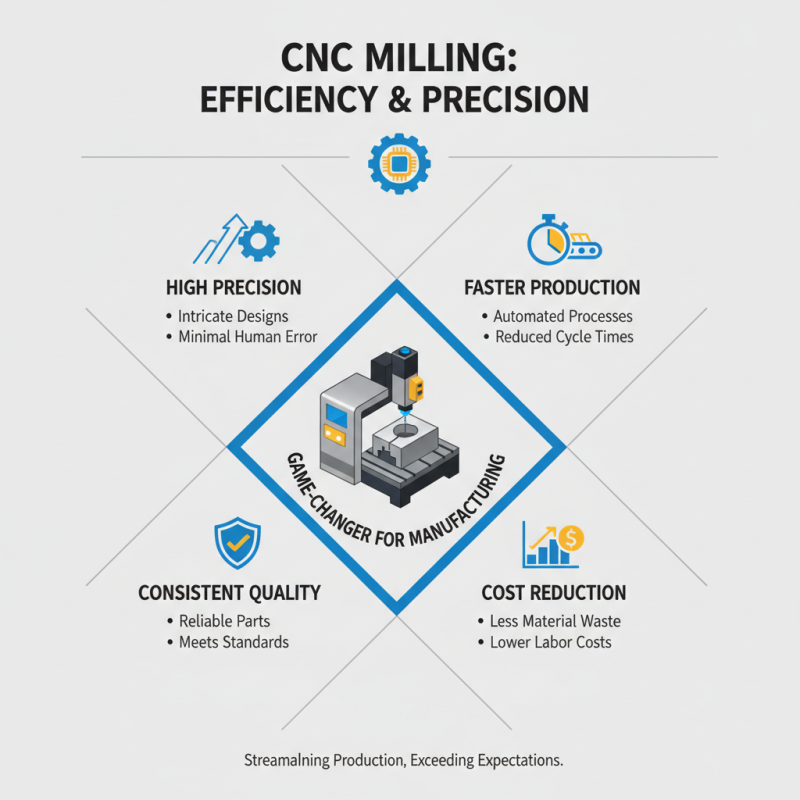
CNC milling is a game-changer for manufacturing. This technology allows for high precision and efficiency in producing parts. By using computer-controlled machines, manufacturers can achieve intricate designs with minimal human error. This results in consistent quality, which is essential for meeting customer expectations. The automation of processes not only speeds up production but also reduces costs.
Consider these tips when implementing CNC milling in your operations. First, ensure your workforce is trained in using CNC machines. This expertise is crucial for maintaining quality standards. Second, regularly maintain your milling equipment. Neglect can lead to unexpected downtime and losses. Finally, explore different materials that can be used with CNC milling. This flexibility can open new markets and product opportunities.
Embracing CNC milling requires a mindset shift. It may take time to adapt to this technology. Some businesses may question initial investments. However, the long-term benefits often outweigh these concerns. Continuous improvement is vital. Regularly evaluate how CNC milling impacts your workflow, and remain open to adjustments. This will ultimately enhance both efficiency and precision in your manufacturing processes.
Industry Applications of CNC Milling: From Aerospace to Medical Devices
CNC milling technology has transformed various industries. Aerospace relies on precision machined parts for aircraft. Components need to meet strict tolerances. CNC milling allows for this high precision, ensuring safety and performance. Medical devices also benefit greatly. Manufacturers create intricate designs that fit specific health requirements. Each piece must be reliable and effective.
Tips: Always evaluate your CNC milling service provider. Experience matters. Look for proven expertise in your industry. A reliable provider can deliver high-quality parts on time.
In automotive manufacturing, CNC milling shapes everything from engine components to exterior panels. This versatility is a game-changer. Yet, it’s crucial to consider the setup time. Some projects may require adjustments or testing phases. Establish clear communication with your milling partner to avoid costly delays.
In summary, CNC milling is essential across various sectors. Understanding its applications can enhance operational efficiency. With the right approach, businesses can leverage CNC milling for growth.
Cost Analysis: How CNC Milling Can Reduce Production Expenses
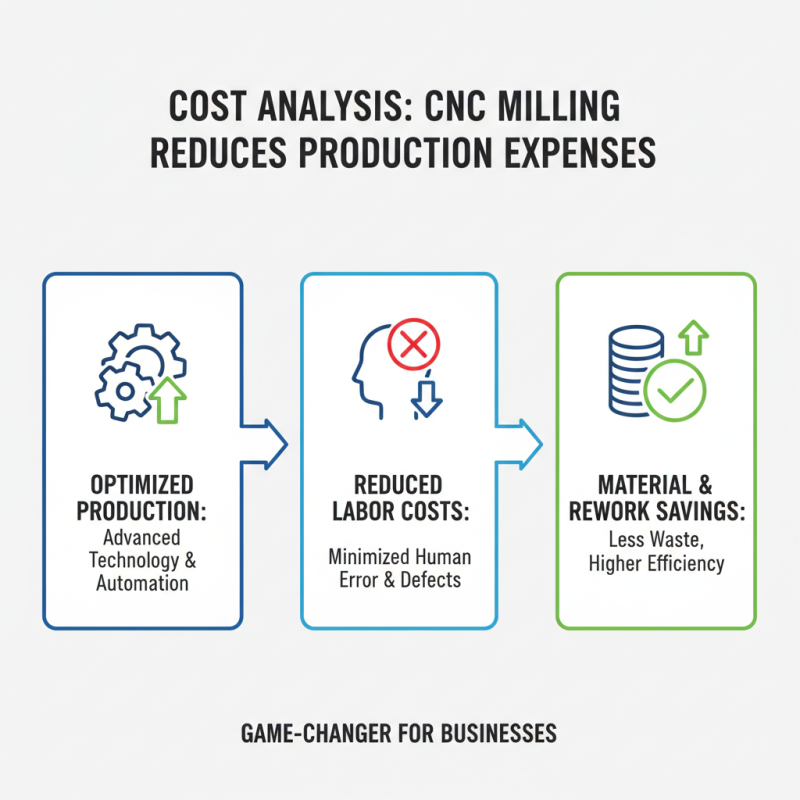
CNC milling is a game-changer for many businesses. It optimizes production by employing advanced technology, which often reduces labor costs. This automation minimizes human error, leading to fewer defects. As a result, businesses save on wasted materials and rework expenses.
Cost analysis shows that CNC milling can significantly decrease overall production expenses. Initial investments may seem high, but the long-term savings can be substantial. For instance, quicker production times directly translate to lower operational costs. The ability to produce complex parts accurately can lead to higher profit margins. However, businesses must evaluate their unique needs and ensure proper training for operators to maximize efficiency.
While the benefits are clear, some might find the shift daunting. Transitioning from traditional methods to CNC milling requires a cultural change within the organization. Employees may resist new technology, and retraining could incur additional costs. It's crucial for leaders to address these concerns and foster a culture of innovation and adaptability.