What is CNC Parts and Where to Source Them?
CNC (Computer Numerical Control) machining has revolutionized the manufacturing industry. Modern machining techniques rely heavily on precision parts for CNC operations. According to a recent report by MarketsandMarkets, the CNC machine market is projected to grow from $76 billion in 2022 to $102 billion by 2027. This growth signifies an increasing demand for high-quality CNC parts.
Sourcing parts for CNC is vital for ensuring efficiency and precision in manufacturing. Businesses need to identify reliable suppliers to meet their production needs. Studies indicate that quality parts can enhance machine lifespan and reduce operational costs. However, the challenge lies in finding the right source that balances quality and cost-effectiveness.
While many suppliers exist, the differentiation can be subtle. Some may offer subpar quality that could lead to costly downtimes. Thus, companies must vet potential suppliers thoroughly. They should seek certifications and customer reviews. The quality of parts for CNC is crucial—not only for productivity but also for maintaining competitive advantage in a fast-evolving market.
What are CNC Parts and Their Importance in Manufacturing?
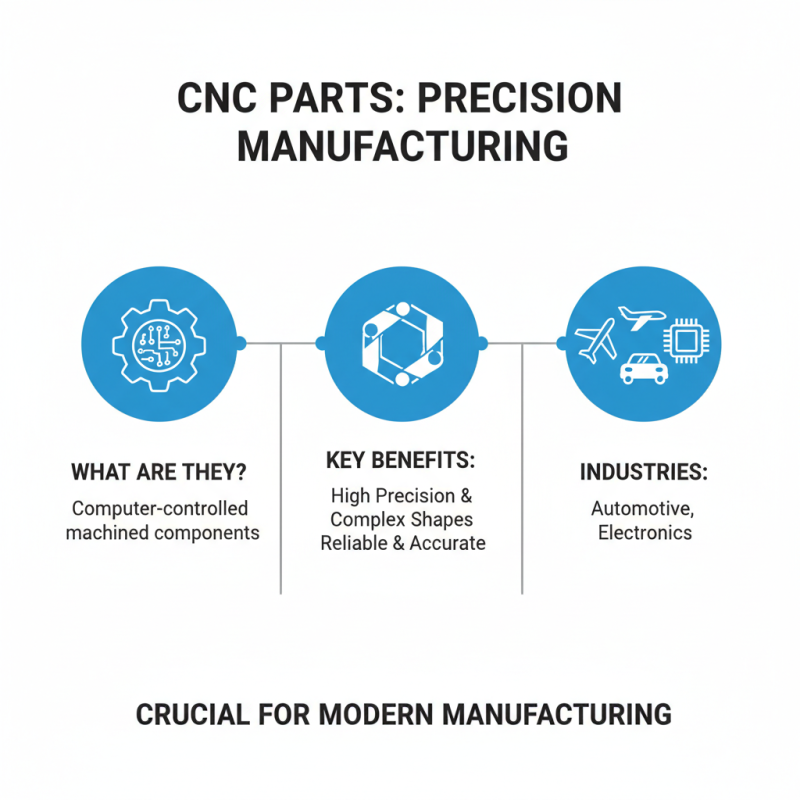
CNC parts, or Computer Numerical Control parts, play a crucial role in modern manufacturing. These components are produced through precise machining processes driven by computer systems. This technology allows for high precision and complex shapes that manual machining often struggles to achieve. Industries heavily utilize CNC parts, including automotive, aerospace, and electronics, due to their reliability and accuracy.
Understanding the importance of CNC parts begins with recognizing their impact on efficiency. They streamline production by reducing waste and minimizing human error. However, sourcing high-quality CNC parts can be challenging. It requires knowledge of trusted suppliers and an understanding of material properties. Sometimes, the parts may not meet the desired specifications, leading to production delays. Manufacturers must continuously assess their sourcing strategies to ensure quality.
In manufacturing, the choice of CNC parts can significantly influence the final product's performance. Customization is often necessary to meet unique demands. Yet, this might lead to inconsistencies if not managed well. Exploring local and international suppliers is essential for diverse options. However, balancing cost and quality remains a constant challenge. Manufacturers must prioritize thorough evaluations to achieve the best outcomes.
Understanding the Different Types of CNC Parts Available in the Market
CNC parts are crucial in manufacturing. They enhance precision and efficiency in various industries. Understanding the types of CNC parts available can help businesses choose the right components for their needs.
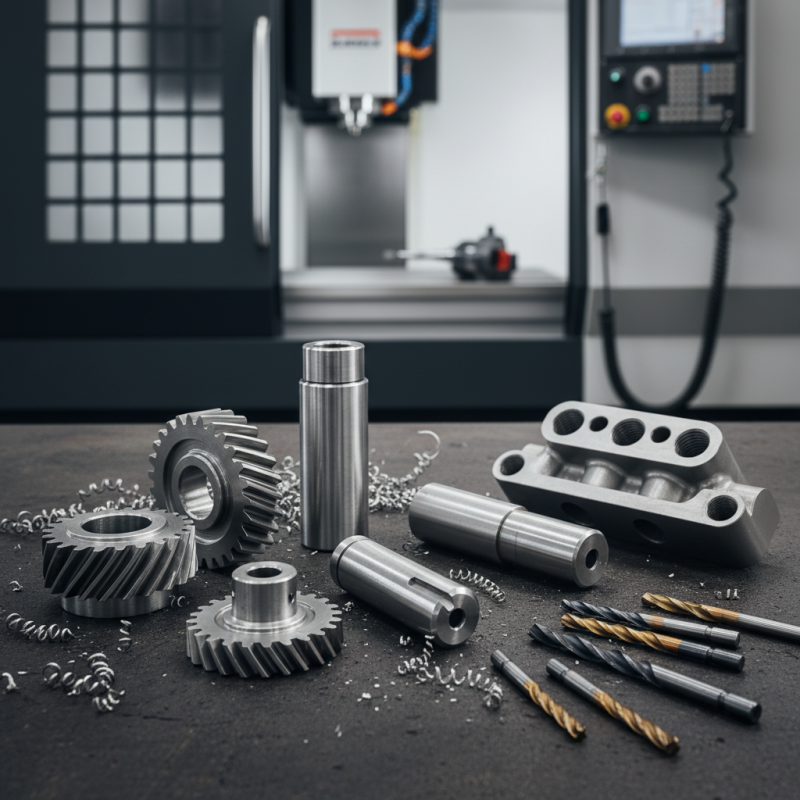
Common types include CNC machined components, like brackets and housings. These parts are designed for accuracy. Each piece plays a specific role in the overall assembly. Another category is CNC sheet metal parts, used in enclosures and panels. They are not just functional; they also contribute to the aesthetics of products.
When sourcing these parts, consider the material used and fabrication methods. Aluminum and stainless steel are popular choices. However, not every manufacturer provides consistent quality. Research vendors carefully. Visit their facilities when possible. Obtaining samples can also ensure the parts meet your specifications. There are many options, but finding the right supplier might take time and patience.
Key Characteristics and Specifications to Consider When Sourcing CNC Parts
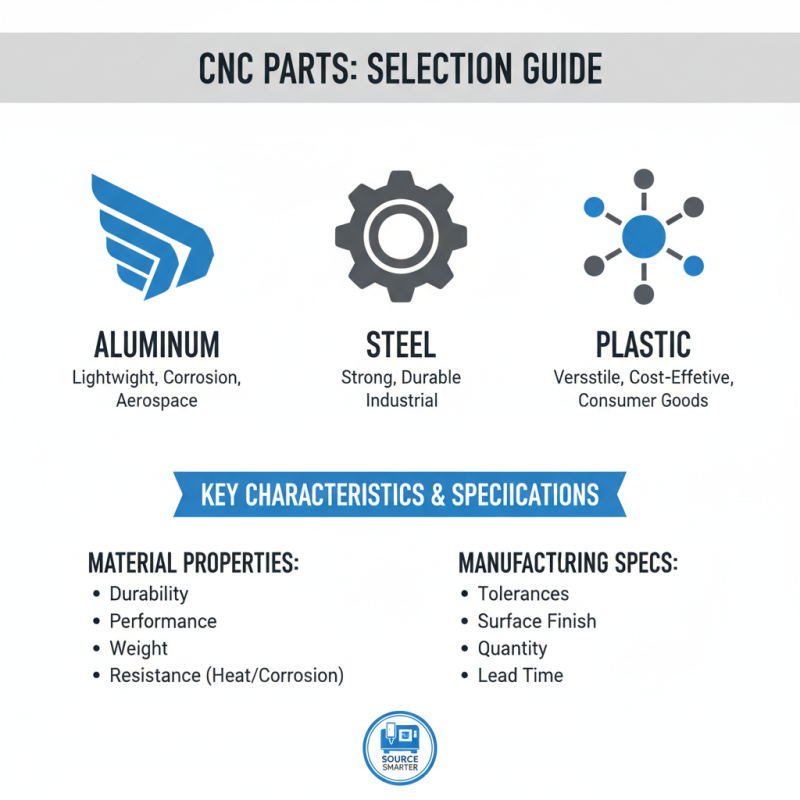
When sourcing CNC parts, understanding key characteristics and specifications is essential. Material selection is crucial. Common materials include aluminum, steel, and plastic. Each material has distinct properties influencing the part's durability and performance. According to a recent industry report, aluminum is favored for its lightweight and corrosion resistance, making it ideal for aerospace applications.
Tolerance levels should also be considered. Tight tolerances may be necessary for precise applications but can increase manufacturing costs. It's important to balance precision and budget. Many manufacturers offer different tolerance ranges; understanding these variations is vital. Additionally, surface finish can affect performance and aesthetics. A report by the Precision Manufacturing Association highlights that smoother finishes reduce friction, improving part longevity.
Tips: Always verify the supplier’s capabilities before placing an order. Request samples to evaluate quality. Engaging in open communication around specifications can prevent costly errors. Regularly review your sourcing criteria to adapt to changing project needs. Reflecting on past sourcing experiences can offer insights into areas needing improvement.
Where to Find Reliable Suppliers for CNC Parts: A Comprehensive Guide
When searching for reliable suppliers of CNC parts, a clear strategy is essential. The global CNC machining market is projected to reach $100 billion by 2025, illustrating the growing demand. This demand heightens the need to locate trustworthy suppliers. Online platforms can be a good starting point. Websites like ThomasNet and Maker's Row list manufacturers based on capabilities and specialties. However, not all listings feature verified companies.
Industry trade shows offer another valuable avenue. Events like the International Manufacturing Technology Show (IMTS) allow direct interaction with suppliers. Engaging with different manufacturers provides insight into their production capabilities and quality control processes. Buyers should inquire about certifications, such as ISO 9001, to ensure reliability.
In addition, networking within industry forums can yield recommendations. Industry professionals often share their experiences, which can guide new buyers. However, this method requires careful consideration, as not all shared experiences will be relevant. Finally, evaluating suppliers based on customer reviews can highlight potential red flags. Often, customer feedback reveals insight into delivery times and responsiveness, which are crucial for maintaining production schedules.
Best Practices for Evaluating and Selecting CNC Parts for Your Projects
When selecting CNC parts, precision and quality are critical. Industry reports indicate that nearly 60% of manufacturing failures are attributed to poor component selection. Evaluating CNC parts requires a comprehensive understanding of materials and tolerances. High-grade aluminum or stainless steel typically provides the best durability for mechanical components. Consider testing prototypes to verify performance.
Assess the supplier's reputation and production processes. A reliable supplier should have certifications like ISO 9001, which signals adherence to quality standards. Only 35% of manufacturers test components for quality, which is striking. This poses a risk to project timelines and budgets. Ask for samples. Review their previous work to gauge consistency and quality.
Cost is a factor, but don't let it be the sole driver. Lower prices can signal inferior materials or processes. Aim for a balance between cost and quality. Additionally, be wary of overly complex designs. They can lead to delays and increased scrap rates. Proper evaluation and selection of CNC parts are essential for project success.