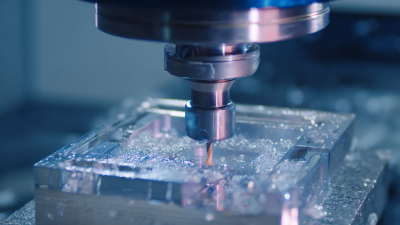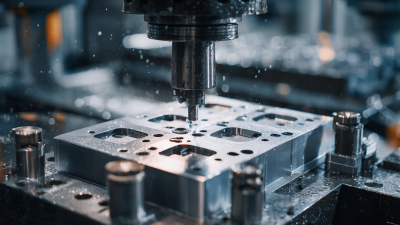
The mold manufacturing industry is a critical pillar of modern production, shaping countless products across various sectors. According to recent research from the National Association of Manufacturers, the U.S. mold industry contributes approximately $18 billion to the economy each year. "Efficiency in mold manufacturing is not just about speed; it's about smart integration of technology and processes," says John Smith, a well-respected expert in the field.
As businesses strive for greater efficiency, adopting best practices becomes essential. Many companies struggle with old methodologies that lead to waste and delays. A successful mold manufacturing process requires attention to crucial factors such as materials, design precision, and machine calibration. Companies should assess their workflows regularly to identify bottlenecks. This self-reflection can lead to significant improvements and cost savings.
Investing in advanced technology, like automation and AI, can also enhance productivity. However, this shift poses challenges. Organizations must ensure their workforce is skilled to handle new tools effectively. Balancing innovation with traditional expertise is vital. By embracing change while respecting core principles, the mold manufacturing sector can thrive.
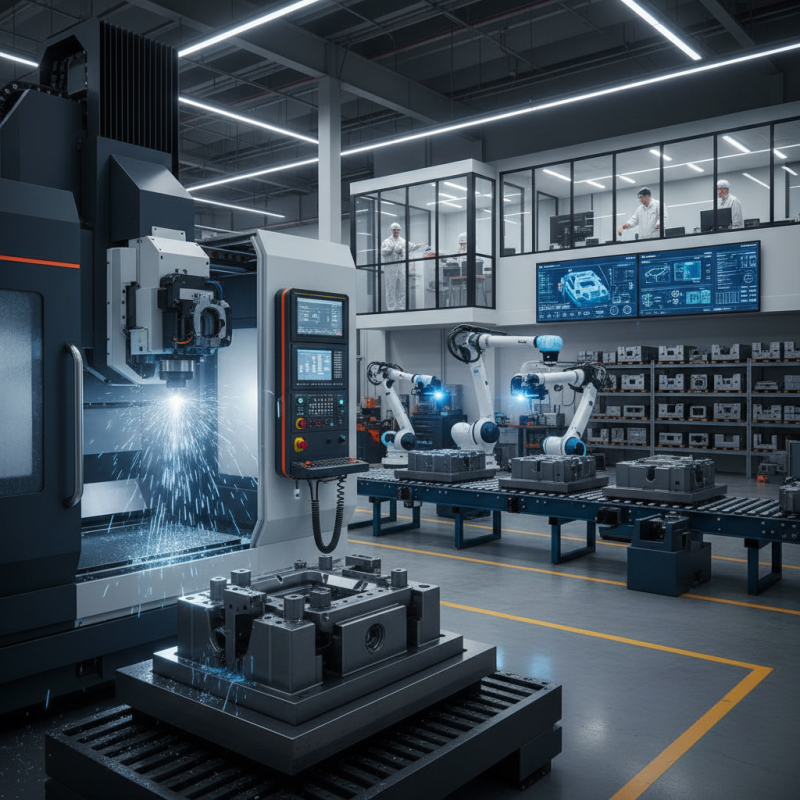
Efficient mold manufacturing plays a crucial role in production cycles. It directly impacts quality, cost, and delivery times. According to a 2021 industry report, manufacturers can save up to 30% on costs by optimizing their mold processes. This efficiency not only reduces waste but also enhances the overall sustainability of operations.
One significant aspect of efficient mold manufacturing is the design phase. Most issues arise from poorly designed molds. Up to 70% of manufacturing delays are linked to mold-related problems. This highlights the need for thorough planning and prototyping. Implementing simulation tools can lead to better designs and shorter lead times.
Training and skill development among the workforce is another key factor. A knowledgeable team is essential for addressing challenges promptly. Studies show that companies investing in employee training see a 15% improvement in output efficiency. Although some companies underestimate the value of training, recognizing its importance can lead to substantial gains in productivity and quality.
Efficiency in mold manufacturing hinges on several key factors. Understanding these can greatly enhance the overall process. One crucial aspect is
material selection. Using high-quality raw materials can reduce defects and downtime, but costs can rise.
Balancing quality and affordability is essential for optimal production.
Another factor is the design of the molds themselves. An effective mold design can streamline production and minimize waste. Engaging experienced engineers during this phase is vital.
Their insights can prevent costly modifications later. However, not all designs are perfect; sometimes they require iterative improvements.
Lastly, the role of technology cannot be overlooked. Advanced machinery and software can increase precision and speed. Yet, not all companies invest in the latest technology.
Budget constraints can limit options. Training staff to effectively use these tools is equally important, as efficiency can drop without proper knowledge.
It's a continuous learning process that demands reflection and adaptation.
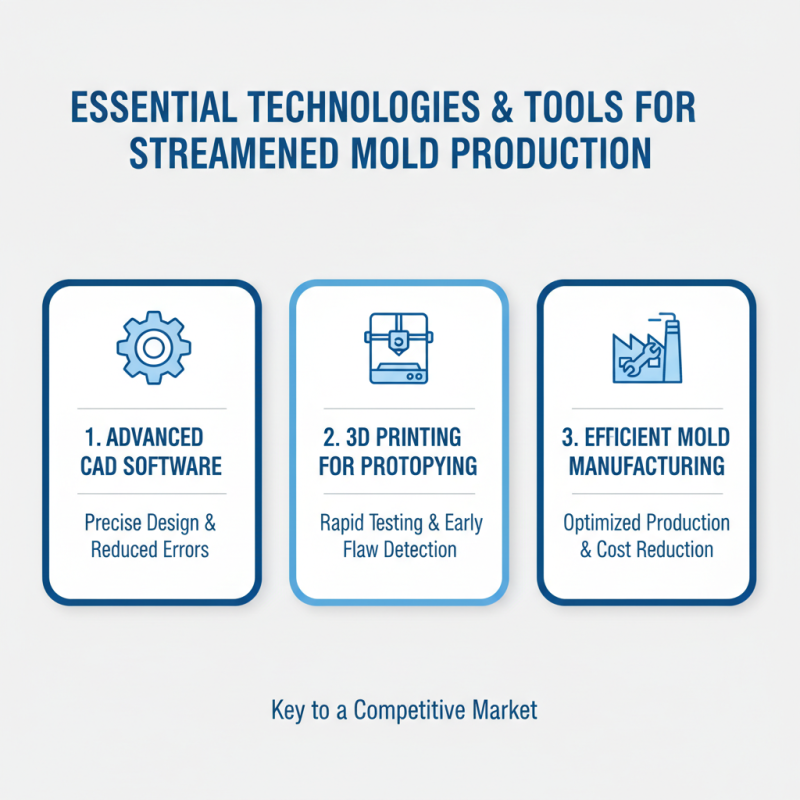
In today’s competitive market, efficient mold manufacturing is essential. Essential technologies play a key role in optimizing the production process. Advanced CAD software enables precise design modifications, reducing errors that can lead to costly delays. 3D printing aids in rapid prototyping, allowing teams to test designs quickly. This technology helps identify flaws early, though it may not always capture the complexity of final products.
Investing in CNC machines can significantly enhance production efficiency. These machines automate cutting and shaping, reducing manual labor. However, operators must be skilled to troubleshoot issues that arise. Moreover, effective temperature control during molding is crucial. Implementing thermal imaging can reveal hot spots that affect mold quality. While this technology is beneficial, it requires regular calibration and monitoring to avoid inaccuracies.
Regular machine maintenance is often overlooked but vital for longevity. Neglect can lead to breakdowns, disrupting production schedules. Additional training for staff ensures they are up-to-date with the latest processes. While not all solutions are foolproof, an ongoing investment in technology and training can lead to significant improvements. Emphasizing these tools allows manufacturers to adapt and evolve, ensuring they remain competitive in the industry.
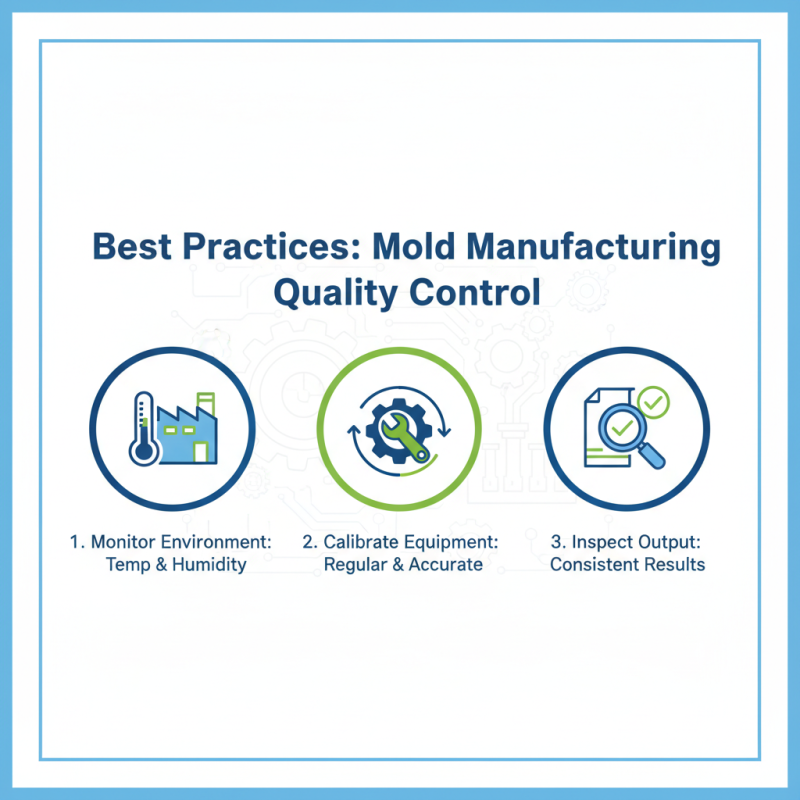
Quality control is essential in the mold manufacturing process. Effective practices can make a significant difference in product output. Monitoring the manufacturing environment is crucial. Ensure that temperature and humidity levels are optimal for mold production. Regularly calibrating equipment is another vital practice. Accurate machines yield consistent results.
Visual inspections help identify defects early. Trained personnel should assess molds after each production cycle. It is essential to document these inspections meticulously. Tracking anomalies can reveal patterns, enabling proactive adjustments. Incorporating feedback loops from production teams aids in refining processes.
Continuous training for staff on quality standards is necessary. Employees need to understand their roles in maintaining high quality. Yet, some workers may overlook nuances in their tasks. Regular workshops can confront these gaps in knowledge. Quality control involves teamwork, communication, and constant improvement. Emphasizing these aspects leads to a more reliable and efficient mold manufacturing process.
In the mold manufacturing industry, continuous improvement is crucial. Data indicates that companies implementing lean manufacturing strategies can reduce waste by up to 30%. This not only cuts costs but also enhances productivity. Regular assessments of the production line enable manufacturers to identify inefficiencies and streamline operations.
Another effective strategy involves investing in training. A study revealed that teams with ongoing training programs saw a 20% increase in output. Knowledgeable staff can detect potential problems before they escalate. It’s essential to cultivate a culture where employees feel empowered to suggest improvements. This fosters innovation and can lead to significant gains in both efficiency and quality.
Moreover, technology plays a pivotal role in optimizing the mold production process. Automation can minimize human error and speed up production cycles. However, embracing new technology is not without challenges. Many companies experience initial setbacks during the integration phase. Continuous monitoring and feedback loops are vital to navigate these challenges effectively. A balance between technology and skilled labor often leads to the best outcomes.
| Tip Number | Tip | Description | Expected Outcome |
|---|---|---|---|
| 1 | Use Advanced CAD Software | Leverage the latest CAD tools for design precision. | Improved design accuracy and reduced errors. |
| 2 | Implement Automation | Integrate automated systems in production lines. | Increased production speed and consistency. |
| 3 | Optimize Material Selection | Choose materials that reduce waste and costs. | Lower production costs and enhanced product quality. |
| 4 | Regular Maintenance of Equipment | Schedule frequent maintenance checks for machinery. | Reduced downtime and enhanced machine longevity. |
| 5 | Encourage Continuous Training | Provide ongoing training for staff members. | Heightened skill levels and innovation. |
| 6 | Utilize Data Analytics | Analyze production data to identify trends. | Enhanced decision-making and strategies. |
| 7 | Streamline Workflow | Redesign workflows to minimize bottlenecks. | Faster production and reduced labor costs. |
| 8 | Implement Quality Control Measures | Establish stringent testing protocols. | Improved product reliability and customer satisfaction. |
| 9 | Focus on Sustainability | Adopt eco-friendly practices and materials. | Lower environmental impact and compliance with regulations. |
| 10 | Gather Customer Feedback | Regularly seek and analyze customer input. | Continuous improvement in product offerings and satisfaction. |