Top 10 Metal Mold Manufacturer Tips You Need to Know?
In the competitive landscape of manufacturing, a metal mold manufacturer plays a critical role. According to industry reports, the global metal mold market is projected to reach $16 billion by 2026, reflecting a steady growth rate. This growth is driven by increasing demands for precision and efficiency in production processes. Companies in this field must adapt to trends and technology, paving the way for innovation while remaining cost-effective.
However, navigating this industry can be challenging. Many manufacturers struggle with supply chain issues and quality control. A recent survey indicated that over 30% of companies wished they had better strategies for sourcing materials. Effective communication and knowledge sharing among peers often lead to improved practices. There is a clear need for manufacturers to constantly evaluate their processes and seek out best practices.
Every metal mold manufacturer should focus on continuous learning and improvement. Investing in training can bridge skill gaps. Moreover, being aware of market demands enables manufacturers to stay relevant. Embracing change is not always easy, but it is essential for long-term success. The insights from industry leaders can guide manufacturers in making informed decisions. As the market evolves, so must the strategies of a metal mold manufacturer.
Understanding Metal Mold Manufacturing Processes
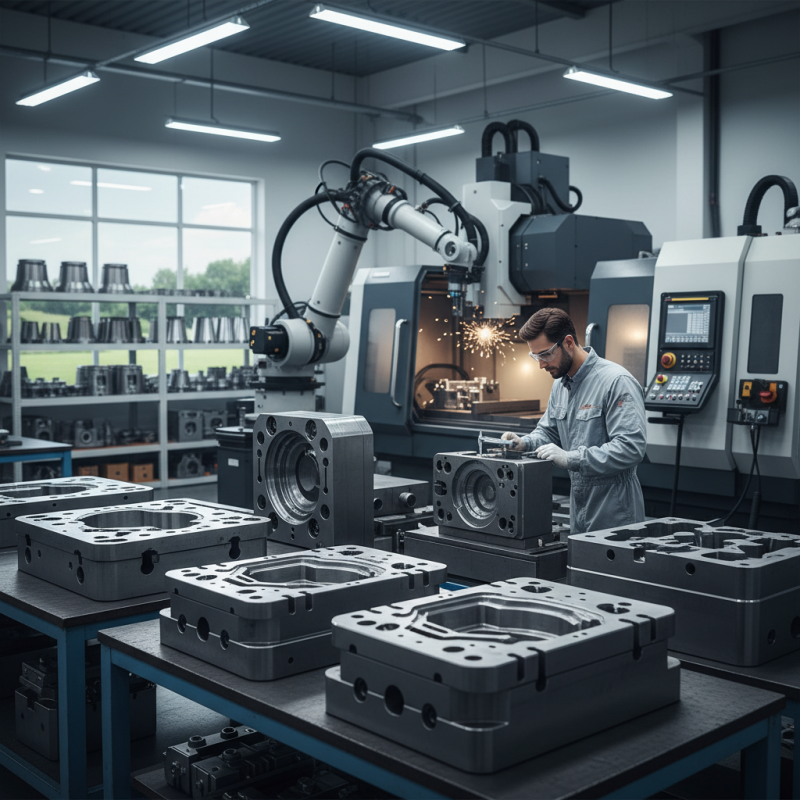
Metal mold manufacturing is a complex process that requires precision and expertise. Understanding each step is crucial. The process begins with design. Designers create detailed blueprints. These designs must consider material properties and end-use applications. Each detail can influence production quality. Even minor errors can lead to costly reworks.
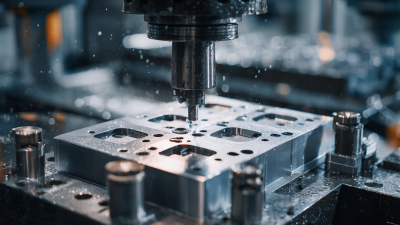
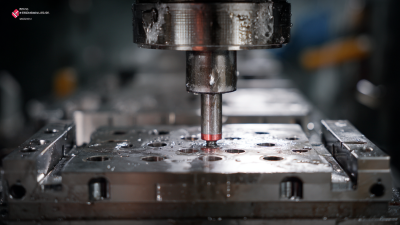
Once the design is finalized, materials are selected. Common choices include steel and aluminum. Each material has its strengths. Choosing the right one impacts durability and performance. After material selection, the mold is machined. This step requires advanced equipment. Precision is vital. Overlooked tolerances can disrupt the final product’s fit.
Quality control plays a critical role in the manufacturing process. Regular inspections help identify defects. Even experienced manufacturers may face challenges here. Testing molds under various conditions is essential. This helps reveal weaknesses that may not be obvious. Feedback loops from these tests provide insights for future improvements. A continuous learning approach can enhance the overall manufacturing process and minimize errors down the line.
Top 10 Metal Mold Manufacturing Processes
Essential Materials for High-Quality Metal Molds
When creating high-quality metal molds, the choice of materials is crucial. Steel is a popular option due to its strength and durability. Many manufacturers prefer tool steel, which can withstand high temperatures and pressure. However, not all tool steels are the same. Some might not provide the longevity expected. It's important to understand the specific requirements of each project before selecting the type of steel.
Aluminum is another widely used material. It's lightweight and easy to machine. This can reduce production time. But aluminum molds may wear out quickly under heavy use. It's essential to evaluate whether your product demands the durability steel provides. Casting alloys also play a role in mold quality, but they can introduce complications if not chosen correctly.
Consider the finishing process as well. Surface treatments enhance durability. Coatings like nitride or chrome improve wear resistance. Yet, these treatments can be inconsistent. Some might not adhere properly or perform as expected. Testing different coatings could lead to better results. Experimenting with various combinations and gathering feedback can illuminate what truly works for your needs.
Key Design Considerations for Effective Metal Mold Production
When designing metal molds, several key considerations can impact production efficiency. The mold's material choice is crucial. It can affect durability and cost. Common options include steel and aluminum. Steel is strong but heavier. Aluminum is lighter but may wear out faster. These factors must align with project requirements.
Another vital aspect is thermal management. A well-designed cooling system ensures uniform temperature distribution. This helps maintain product quality. Uneven temperatures can lead to defects, causing unnecessary rework. Designers must assess cooling channels carefully. Their placement should optimize cooling time without compromising mold integrity.
Lastly, communication with stakeholders is essential. Clear discussions about expectations and constraints can save time and resources. Many projects face delays due to miscommunication. Involving machinists early can provide practical insights into design feasibility. Balancing creativity with practicality is often challenging in mold design. Reflection on past projects can help refine this process.
Best Practices in Metal Mold Maintenance and Care
Proper maintenance of metal molds is critical for optimal performance. Every detail matters. Regular cleaning prevents residue build-up. This ensures parts fit perfectly during production. Use soft brushes for hard-to-reach spots. A gentle scrub can save a lot of time later.
Lubrication is essential. Choose appropriate oils to minimize wear. Too much lubricant can attract dirt and dust. It's a fine balance. Check mold surfaces periodically for any signs of corrosion. Addressing these issues early prevents larger problems down the line.
Beyond maintenance, proper storage is key. Avoid stacking molds without protection. They need space to breathe. A dust-free environment is ideal. Even small dust particles can affect production. Consider climate control options. Temperature fluctuations can cause expansion and contraction, which is detrimental to mold longevity.
Top 10 Metal Mold Manufacturer Tips You Need to Know - Best Practices in Metal Mold Maintenance and Care
| Tip Number |
Maintenance Tip |
Frequency |
Tools Needed |
Notes |
| 1 |
Regular Cleaning |
Daily |
Soft Brush, Compressed Air |
Remove debris to prevent contamination |
| 2 |
Inspect for Wear |
Weekly |
Visual Inspection Tools |
Check for signs of wear and tear |
| 3 |
Lubrication of Moving Parts |
Bi-Weekly |
Lubricants, Applicator |
Avoid rust and ensure smooth operation |
| 4 |
Temperature Control |
Ongoing |
Thermometers, Cooling Systems |
Maintain optimal operating temperature |
| 5 |
Proper Shutdown Procedures |
After Each Shift |
Checklists |
Avoid damage when not in use |
| 6 |
Calibration of Machines |
Monthly |
Calibration Tools |
Ensure accuracy in production |
| 7 |
Documentation of Maintenance |
Ongoing |
Maintenance Logs |
Track performance over time |
| 8 |
Training Staff on Equipment |
As Needed |
Training Materials |
Improves safety and efficiency |
| 9 |
Use Quality Materials |
Ongoing |
Quality Selection Process |
Reduces long-term maintenance needs |
| 10 |
Regular Professional Inspections |
Annually |
Inspection Tools |
Identify potential issues early |
Evaluating and Selecting Top Metal Mold Manufacturers
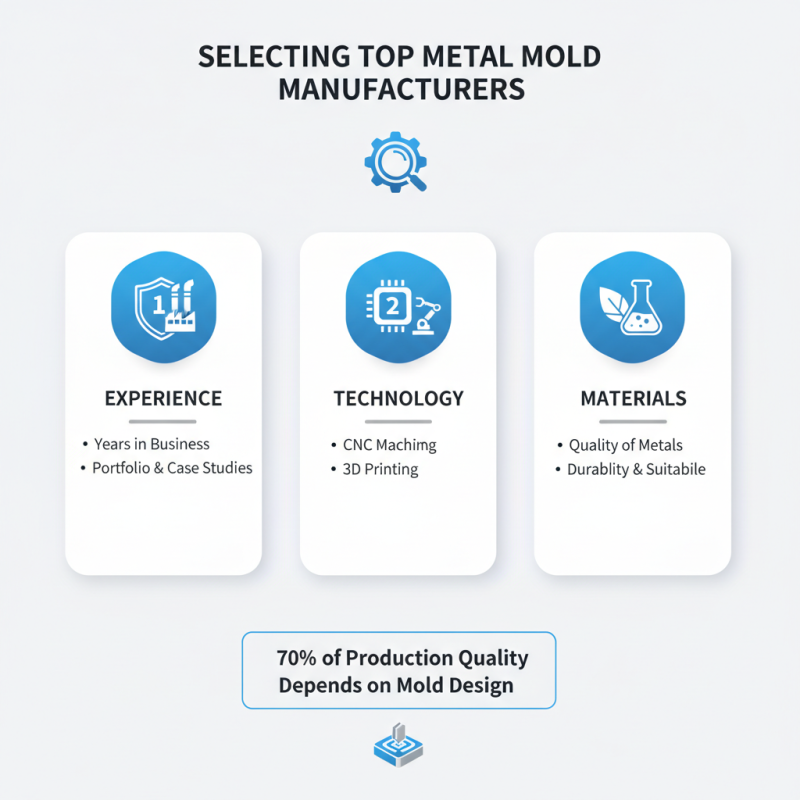
Choosing the right metal mold manufacturer is crucial. Industry reports suggest that 70% of production quality hinges on the mold’s design and fabrication. It's essential to evaluate potential manufacturers based on their experience, technology, and material selection. Advanced manufacturers often invest in CNC machining and 3D printing. These technologies can significantly increase precision and efficiency.
When assessing manufacturers, consider their quality assurance processes. A reliable manufacturer should adhere to ISO standards. However, many still fall short on maintaining consistent quality checks. It's also wise to analyze their previous projects. Case studies give insight into their capabilities and reliability. Look for red flags like missed deadlines or poor communication. If available, customer testimonials can shed light on their work ethic.
Lastly, prioritize your potential manufacturers' customer service. Effective communication can prevent misunderstandings and delays. Data shows that companies with robust support systems can handle up to 50% more projects. Finding a manufacturer that aligns with your specific needs can make all the difference. Evaluate their flexibility and willingness to accommodate custom requests, as this can often indicate their commitment to client satisfaction.