What is a Stamping Die and How Does it Work?
A stamping die is a vital tool in manufacturing. It plays a key role in shaping materials such as metal and plastic. This precise instrument can create complex designs and shapes. Using a stamping die ensures consistency and quality in production.
In the manufacturing process, a stamping die applies force to material. This compressive action changes the shape of the material. Manufacturers can produce parts faster than traditional methods. However, the design of a stamping die requires careful planning and execution. Any slight error can lead to defects or wastage.
Understanding how a stamping die works involves recognizing its components. The die consists of two main parts: the punch and the die body. Each part must fit perfectly to achieve the desired outcome. This complexity can be daunting for new designers. They often overlook the intricate details that ensure proper function. Ultimately, mastering the use of a stamping die can be a rewarding, yet challenging, endeavor.
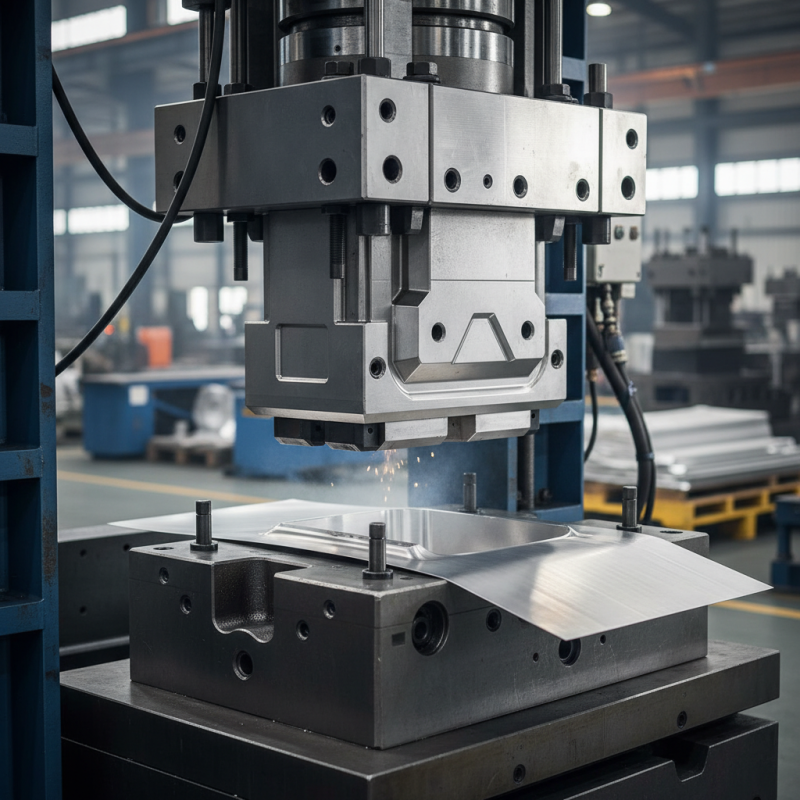
What is a Stamping Die?
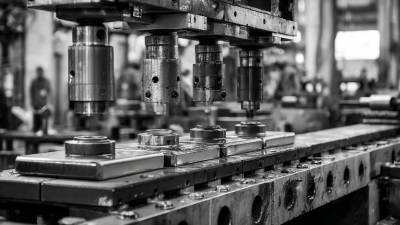
A stamping die is a specialized tool used in manufacturing. It shapes materials by using pressure to cut or mold them. Typically made of metal, these dies are essential in the production of various items, from car parts to electronic enclosures. The process of stamping can be efficient, producing large quantities in a short period.
Different materials work best with stamping dies. Metals like steel and aluminum are popular choices. However, harder materials can pose challenges. Designers must consider wear and tear on the die. This aspect requires careful planning and testing.
**Tips:** Always use high-quality materials for your dies. This can extend their lifespan. Regular maintenance is equally crucial. Inspect the die frequently to catch any damage early. Lastly, don’t overlook the importance of training. Skilled operators are vital to avoid mistakes during the stamping process. Small issues can lead to larger problems down the line.
Types of Stamping Dies and Their Applications
Stamping dies are essential tools in manufacturing, designed to cut or shape materials like metal, plastic, and paper. Various types of stamping dies exist, each with unique applications. For instance, progressive dies incorporate multiple stations in one tool, handling complex tasks efficiently. They are commonly used in automotive parts production. Transfer dies, on the other hand, transport materials between stations, ideal for larger components.
When choosing a stamping die, consider its application. Some dies work better with specific materials or shapes. It’s crucial to analyze the project requirements early. A good understanding can prevent costly mistakes later.
Tips: Always factor in material thickness when designing a die. Incorrect measurements may lead to product failure. Additionally, keep in mind that die wear can impact performance. Regular maintenance is key to prolonging the die’s life. When mistakes occur, reflect on them; each error can lead to insights for future designs.
Types of Stamping Dies and Their Applications
The Manufacturing Process of Stamping Dies
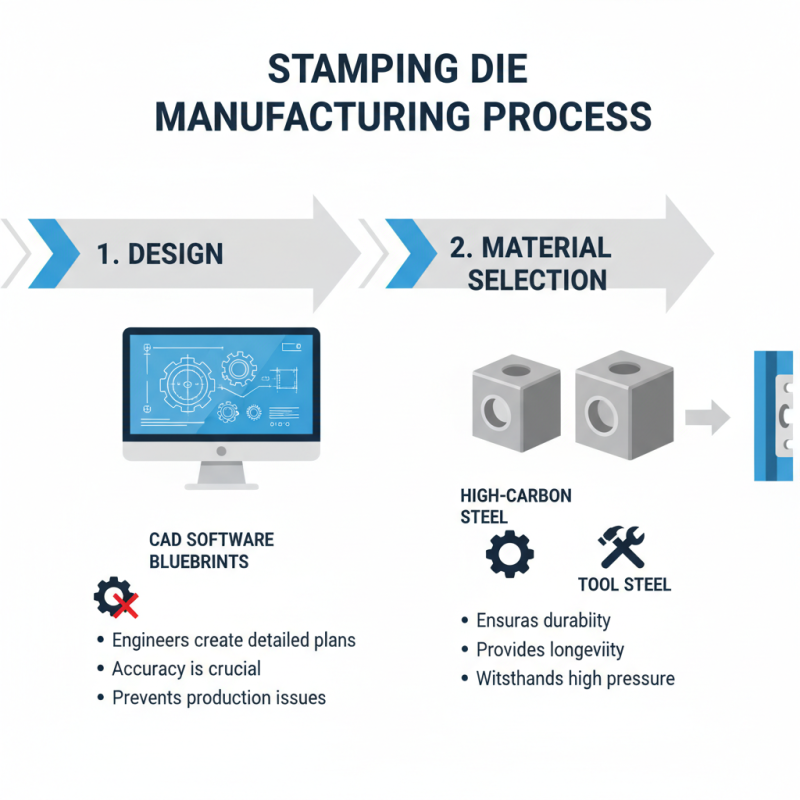
The manufacturing process of stamping dies starts with design. Engineers create detailed blueprints using CAD software. These designs need accuracy. Any mistake can lead to issues in production. Once finalized, materials are selected. Typically, high-carbon steel or tool steel is used. These materials offer durability and longevity.
Next, the production of the die begins. Cutting and shaping the material involves precise machinery. Press brakes and laser cutters are often employed. Each operation has to be done meticulously. A flaw at this stage can compromise the die’s function. After shaping, the pieces are assembled. This step requires skilled hands and attention to detail.
Finally, testing is essential. The die is placed in a stamping machine to check its performance. Observations are made on how it interacts with materials. Any discrepancies must be corrected. This process can feel repetitive yet important. Manufacturing stamping dies is a blend of science and art. Many aspects can be improved, reflecting the ongoing need for innovation.
How Stamping Dies Create Products
Stamping dies are essential tools in manufacturing. They shape and cut materials, usually metal, into desired forms. These dies are often made from high-strength steel. They endure tremendous pressure during the stamping process. This creates components used in various industries. Products can range from automotive parts to delicate electronic housings.
The stamping process starts with a precisely designed die. It is placed in a stamping press, where material is fed. As the press comes down, the die cuts through the material. This requires accurate alignment and timing. Even a slight mistake can lead to defective parts. Thus, precision is critical in die design and setup. The ability to create complex shapes quickly is a significant advantage, but it demands a high level of skill.
Stamping dies not only create products but also shape the production process. They can reduce waste and increase efficiency, yet they present challenges. Maintenance of the dies is crucial for consistent quality. Over time, wear and tear affect the performance of dies. Reflections on these issues are essential for improvement in manufacturing practices. Continuous refinement leads to better products and fewer errors.
What is a Stamping Die and How Does it Work? - How Stamping Dies Create Products
| Die Type |
Material Used |
Applications |
Life Cycle (Cycles) |
Cost Range (USD) |
| Progressive Die |
Tool Steel |
Automotive Parts |
100,000+ |
5,000 - 50,000 |
| Single Hit Die |
Carbon Steel |
Sheet Metal Components |
50,000 - 100,000 |
2,000 - 20,000 |
| Compound Die |
High-Speed Steel |
Electronics Casings |
75,000+ |
3,000 - 25,000 |
| Forming Die |
Aluminum |
Beverage Cans |
60,000+ |
1,500 - 15,000 |
Maintenance and Care for Stamping Dies
Maintenance and care for stamping dies is crucial for optimal performance. Regular inspection helps to identify wear and tear. This can prevent costly downtime in production. A study by the Manufacturing Industry Association highlighted that 20% of production losses come from equipment failure. This emphasizes the importance of maintaining stamping dies.
Proper cleaning techniques sustain die performance. Avoid harsh chemicals that can cause damage. Instead, use mild solvents and soft brushes. According to a report from the Precision Machining Association, 67% of manufacturers report improved lifespan of dies when clean regularly. Store dies in a dry, temperature-controlled environment to prevent rust. Factors like humidity and temperature fluctuation can lead to significant problems.
Lubrication is equally important in die maintenance. A well-lubricated die minimizes friction and wear. Industry data indicates that effective lubrication can enhance die life by up to 30%. However, over-lubrication can attract dirt and debris. Finding the right balance is essential. Setting a maintenance schedule can help ensure that all of these aspects are regularly addressed. Remember, neglecting these practices may lead to unexpected issues and increased operational costs.