Molds are fascinating yet complex organisms. They play crucial roles in our ecosystems, from decomposition to food production. However, not all molds are beneficial. Some can pose serious health risks and structural damage to our homes. Awareness of different types of molds is essential for maintaining a safe environment.
In this exploration, we will delve into the top 10 types of molds you need to know about. Each serves a unique function and has distinct characteristics. For instance, some molds thrive in damp areas, while others can survive in diverse environments. It's vital to identify both the helpful and harmful types.
Understanding molds is not just an academic exercise; it impacts our everyday lives. Knowledge equips us to react appropriately and minimize risks. Being aware can lead to better preventive measures, ensuring safety in our homes and health.
Mold is a type of fungus. It thrives in damp environments. Understanding mold is crucial for health and safety. There are various types of mold, and each has unique characteristics and potential impacts.
Common types include Aspergillus and Penicillium. Aspergillus can cause respiratory issues. Penicillium, though sometimes beneficial, can also produce toxins. Identifying them helps prevent health problems.
Molds grow in various colors, including green, black, and white. Their appearance may vary depending on the environment. It's important to know that some molds are seemingly harmless but can still pose risks. Regular checks for moisture and mold presence are essential. Awareness can lead to informed decisions about indoor air quality.

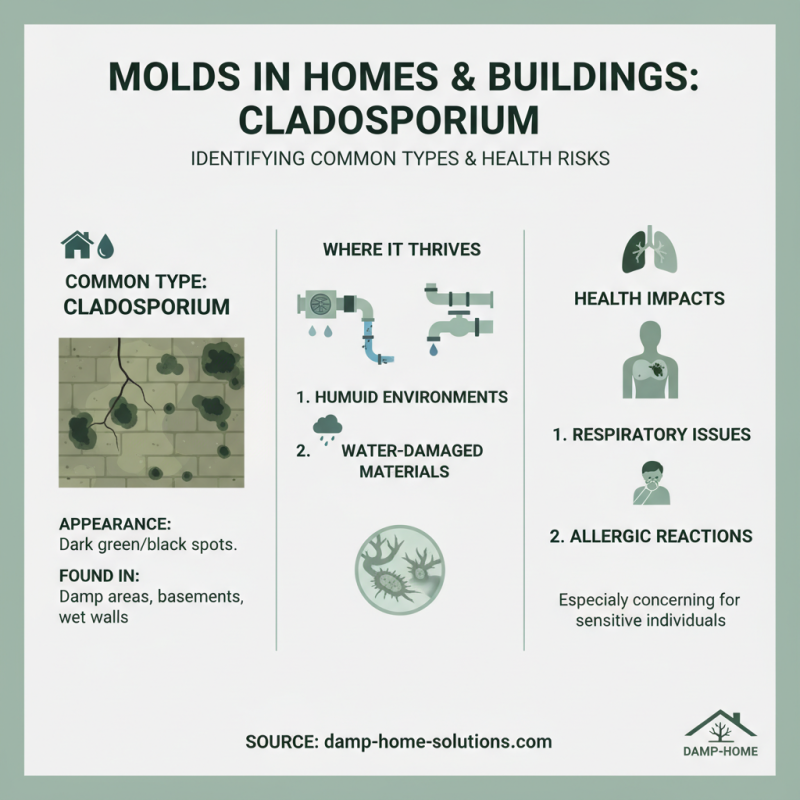
Molds are ubiquitous in homes and buildings. Understanding their types can help in identifying potential health risks. One common type is Cladosporium. It thrives in damp areas, like basements and damp walls. This mold can appear as dark green or black spots. It often leads to respiratory issues, especially in sensitive individuals.
Another prevalent mold is Aspergillus. This type can be found in household dust and on decaying materials. Its colors vary widely, making it hard to notice until it causes problems. Prolonged exposure may lead to allergies and other health concerns.
Stachybotrys, often called "black mold," is notorious for its health impacts. It can grow in places with water damage. This mold appears as black or greenish patches and can release mycotoxins. Homeowners should not ignore even small amounts of mold, as neglect can lead to serious health risks over time. Understanding these molds is vital for maintaining a healthy living environment. Being aware is the first step in mitigation.
Molds are more than just a nuisance. They can pose serious health risks. Different types of molds affect people in various ways. Some molds trigger allergies, while others cause respiratory issues. For example, Stachybotrys chartarum, commonly known as “black mold,” can lead to severe respiratory problems. Exposure to this mold can result in chronic coughing and skin irritation.
Other types, like Aspergillus, can affect individuals with weakened immune systems. This mold can cause lung infections and other serious illnesses. Penicillium is another mold that can lead to allergic reactions and respiratory distress. It's often found in damp areas like basements and kitchens.
The importance of identifying molds goes beyond aesthetics. Not all molds create visible damage, yet their spores can still circulate in the air. This can lead to long-term health issues. Regular cleaning and humidity control are essential. Keeping environments dry and well-ventilated can reduce mold growth. Awareness is crucial. Understanding how molds affect health can inspire proactive measures in mold prevention.
Mold thrives in specific conditions that support its growth. Moisture is the primary factor. High humidity or water leaks can create ideal environments. This often happens in bathrooms or kitchens. Poor ventilation also plays a significant role. Without airflow, damp areas remain unchecked.
Temperature is another critical aspect. Molds usually prefer warmer climates, around 77°F to 86°F. However, some molds can grow in cooler environments too. They can even survive at low temperatures, making them tricky to eliminate. Organic materials are also a food source for molds. Things like wood, paper, and even dust can fuel their development.
It's important to recognize how quickly mold can develop. Under the right conditions, molds can grow within 24 to 48 hours. This rapid growth can lead to serious health issues. Individuals with allergies may experience worse symptoms. Understanding these factors is crucial in preventing mold infestations. Regular inspections and maintenance can help keep homes mold-free. Awareness and action are key in combating mold growth.
| Mold Type | Description | Ideal Growth Conditions |
|---|---|---|
| Aspergillus | A common mold that can be found indoors and outdoors, often seen in damp areas. | Warm, humid environments, especially with organic materials. |
| Penicillium | Known for its antibiotic properties and is often found in homes. | Cool, damp places with poor ventilation. |
| Stachybotrys | Also known as black mold, associated with water damage and serious health risks. | High moisture areas, especially where there has been extensive water damage. |
| Cladosporium | Commonly found outdoors, often seen on plants and as a household mold. | Moderate temperatures and high humidity. |
| Alternaria | A significant allergenic mold that can thrive indoors. | Warm, moist conditions, typically found in bathrooms. |
| Rhizopus | Often seen in decaying fruits and is a common type found in soil. | Warm and humid conditions, prevalent in organic matter. |
| Neoproternospora | A less common mold associated with certain plant diseases. | High humidity and specific plant substrates. |
| Acremonium | Typically found in humid places, known for its powdery appearance. | Cool, damp environments. |
| Fusarium | A mold that can cause plant diseases and is found in soil. | Warm and moist conditions, favoring organic debris. |
| Monilia | Commonly associated with decaying fruits, such as cherries and grapes. | Warm, moist environments, often in kitchens. |
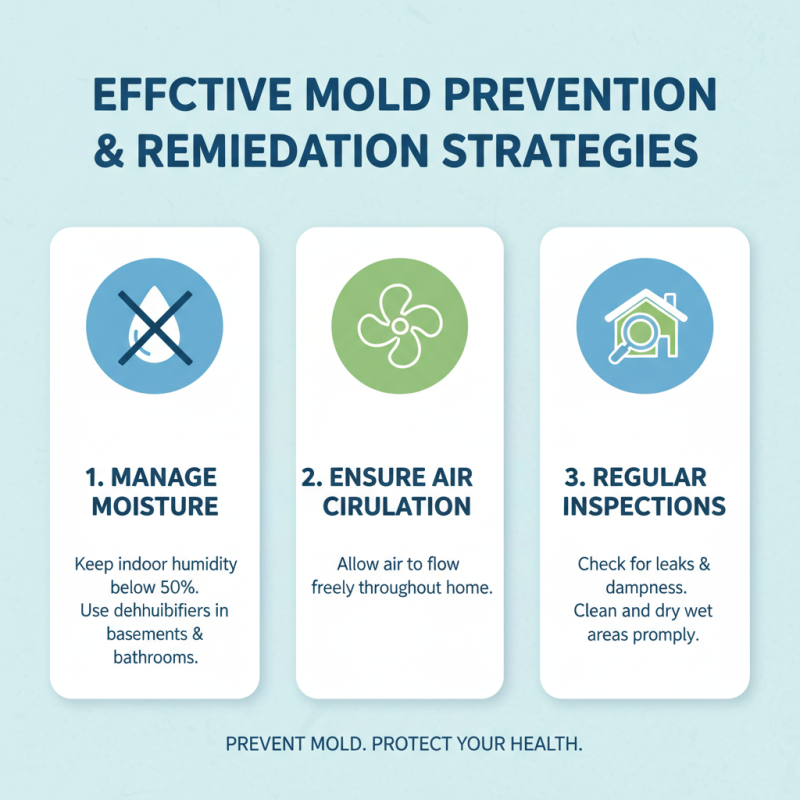
Mold can thrive in damp environments and lead to health risks. Understanding effective mold prevention and remediation strategies is crucial. Managing moisture is the key. Keep indoor humidity below 50%. Use dehumidifiers in basements and bathrooms. Ensure good air circulation by allowing air to flow freely throughout the home.
Regular inspection of potential problem areas is essential. Look for leaks, especially under sinks and around windows. If you notice water damage, act quickly. Mold spores can grow within 24 to 48 hours. Clean any visible mold with soap and water. For larger infestations, it may be necessary to consult professionals who specialize in mold remediation.
**Tip:** Don't ignore small leaks. Fix them promptly to prevent mold growth.
Another strategy includes maintaining proper ventilation. Open windows when weather allows. Use exhaust fans in kitchens and bathrooms. Proper ventilation reduces moisture and inhibits mold growth. Remember, while prevention is ideal, it is vital to act fast when mold is found. No home is immune. Awareness and action are your best defenses.