Top Machining Services Tips for Global Buyers?
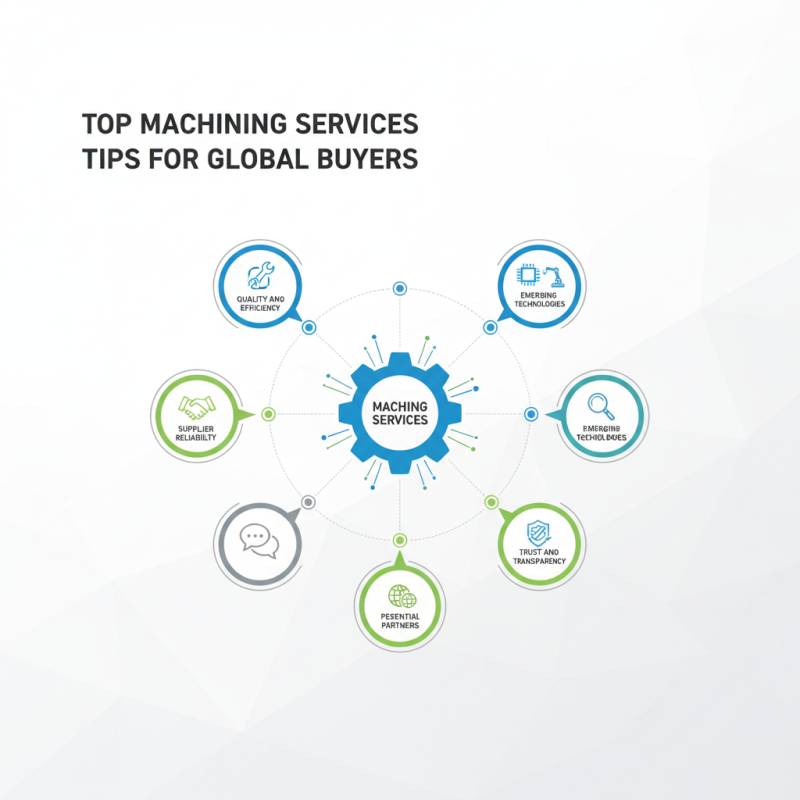
In the competitive landscape of machining services, global buyers face numerous challenges. Industry expert John Anderson emphasizes, “Quality and efficiency are paramount in machining services.” Understanding the intricacies of sourcing these services is essential for success. Machining services have evolved significantly, and the right approach can lead to substantial savings and improved quality.
Navigating the complexities of machining services requires an informed strategy. Buyers must consider factors like supplier reliability and technical capabilities. A common mistake is underestimating the importance of clear communication. Without it, expectations can shift, leading to delays and unhappy partnerships. Reflecting on past experiences can shed light on these issues.
Emerging technologies also play a vital role in machining services today. Automation and precision engineering can enhance production efficiency. However, not every supplier is on the cutting edge. Researching potential partners is crucial. Every interaction should foster trust and transparency. This ensures that standards are met and projects succeed.
Understanding Machining Services: A Global Perspective
In the realm of machining services, a global perspective is crucial for buyers. Companies are increasingly relying on data to make informed decisions. According to a report from Market Research Future, the global CNC machining market is projected to reach $102 billion by 2025. This astounding figure highlights the importance of understanding market trends and supplier capabilities.
When sourcing machining services, buyers must consider several factors. One key tip is to assess the supplier’s technical expertise. A skilled supplier can offer advanced solutions tailored to specific needs. Documentation of past projects and client testimonials can provide insight into their capabilities. Remember, not every supplier is a perfect fit. Reflect on their production processes and whether they meet your standards.
Another critical aspect is communication. Effective communication reduces misunderstandings. It's essential to clearly express project requirements and timelines. Regular updates from suppliers can lead to smoother operations and better outcomes. However, not all suppliers may prioritize this. It's advisable to establish a communication framework upfront. As you navigate this global marketplace, keep these tips in mind for a successful collaboration.
Key Factors to Consider When Evaluating Machining Suppliers
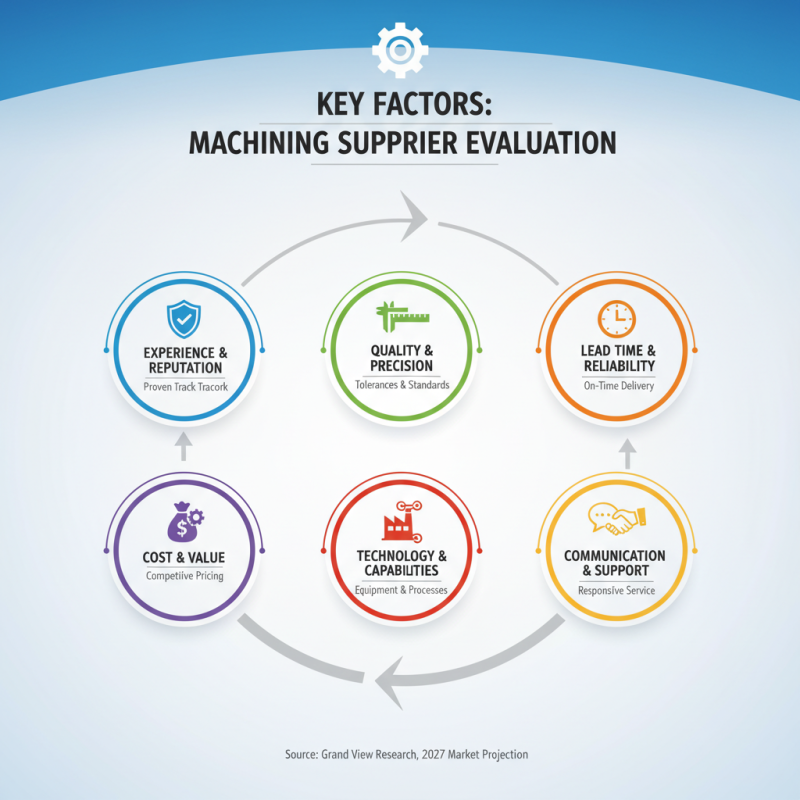
When evaluating machining suppliers, several key factors come into play. First, consider the supplier's experience and reputation in the industry. A study by Grand View Research noted that the global CNC machining market is expected to reach $100 billion by 2027, underlining the competitive atmosphere. Suppliers with a strong background typically deliver quality and reliability.
Another important factor is the technology they use. Advanced machining technologies can enhance precision and efficiency. For instance, suppliers using multi-axis CNC machines often produce more complex parts with tighter tolerances. These technologies can significantly reduce waste and lead times, providing buyers with a competitive edge.
Tip: Always ask for case studies or references that demonstrate past projects. Don’t hesitate to request a trial run for the initial orders. This will help evaluate the supplier's capabilities without substantial risk. Also, keep sustainability in mind; suppliers focused on eco-friendly practices often yield innovative solutions and better supply chain reliability. Remember, not every supplier will meet every requirement, and it's essential to weigh the pros and cons carefully.
Essential Quality Standards and Certifications for Machining Services
When sourcing machining services globally, knowing quality standards and certifications is crucial. These factors ensure that the products meet industry specifications and customer expectations. The ISO 9001 certification is one recognized standard that indicates a company's commitment to quality management. It reflects an organization’s capability to consistently provide products that meet client and regulatory requirements.
Another important certification is ISO/TS 16949. This standard focuses specifically on automotive-related production. Companies with this certification demonstrate their adherence to quality processes throughout the manufacturing stages. Buyers should also look for compliance with specific industry standards like AS9100 for aerospace components. These detailed certifications assure buyers of reliability and precision.
While certifications provide a framework for quality, they are not foolproof. Some suppliers may hold certifications but do not consistently adhere to the standards. Regular audits and evaluations become necessary to maintain product quality and compliance. Buyers must engage in due diligence. This proactive approach allows for a better assessment of potential partners. Understanding certifications enhances buyer confidence but requires continuous scrutiny of performance and adherence to quality standards.
Cost-Effectiveness: Balancing Quality and Pricing in Machining
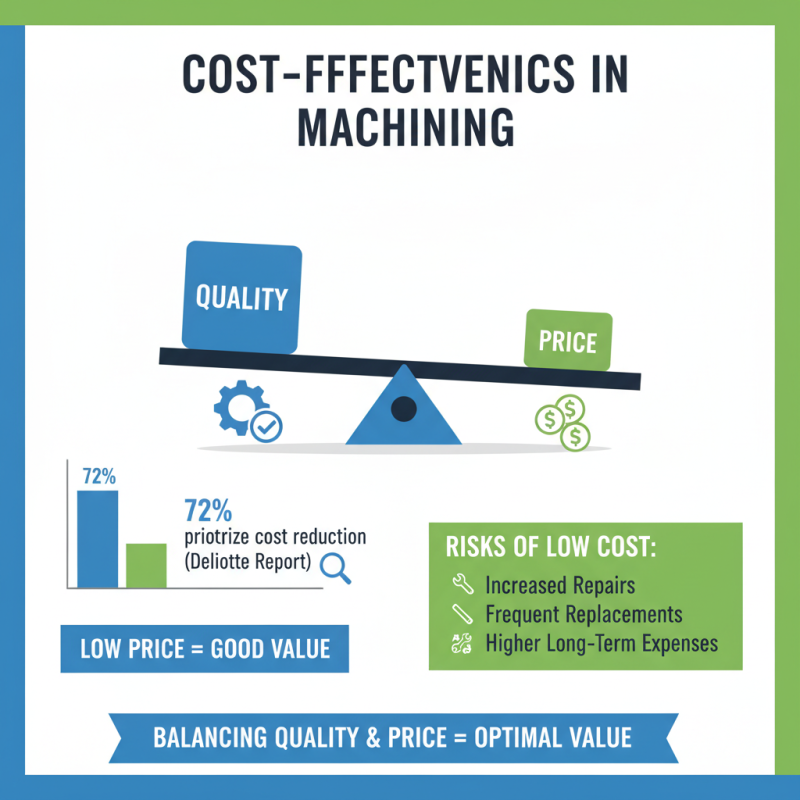
Cost-effectiveness in machining is crucial for global buyers. Balancing quality and price is essential. A recent report by Deloitte shows that 72% of companies prioritize cost reduction in selecting machining services. However, low-cost options can often compromise quality. Choosing low prices might lead to increased long-term expenses, such as repairs and replacements.
Investing in high-quality machining can ultimately save money. The American Machining Association found that quality defects can increase production costs by 30%. A careful assessment of materials and machining techniques can lead to significant savings. Buyers should consider suppliers with documented quality assurance processes. These factors contribute to reliable and timed deliveries, which in turn can reduce unexpected costs.
Global buyers must reflect on their choices. Sometimes, the cheapest option can lead to dissatisfaction. Understanding the implications of selecting cost over quality is vital. Regular audits and supplier evaluations can ensure that quality standards are met. Pricing should not be the sole determinant in vendor selection. Though pressures to minimize costs exist, they should not override the importance of obtaining reliable, high-standard machining services.
Communication Strategies for Successful Global Machining Partnerships
Effective communication is vital for successful global machining partnerships. Different cultures have distinct communication styles. Being aware of these differences helps avoid misunderstandings. Use clear language and avoid jargon. That creates a smoother interaction. Aim for regular updates to keep all parties informed.
Listening is often overlooked. It’s essential to truly understand partner needs. Encourage feedback at every stage. Questions may arise that require clarification. Building rapport through open dialogue fosters trust and collaboration. Being proactive rather than reactive leads to better outcomes.
Consider time zones when scheduling meetings. This shows respect and willingness to adapt. Use various tools for communication—video calls, emails, and project management software. Each tool can serve a different purpose. A blend of methods enhances engagement. Challenges may arise, but adaptability is key. Constant reflection on the effectiveness of communication strategies can lead to improvement.
Top Machining Services Tips for Global Buyers - Communication Strategies for Successful Global Machining Partnerships
| Communication Strategy |
Implementation Method |
Expected Outcome |
| Regular Updates |
Weekly project meetings via video calls |
Enhanced project visibility and timely adjustments |
| Cultural Sensitivity Training |
Workshops on cultural norms and practices |
Improved team collaboration and reduced misunderstandings |
| Technology Utilization |
Using project management tools and instant messaging |
Streamlined communication and quicker decision-making |
| Feedback Mechanisms |
Surveys and feedback sessions after project milestones |
Continuous improvement of processes and relationships |
| Clear Documentation |
Maintaining a shared repository of project documents |
Reduced confusion and enhanced clarity on project goals |